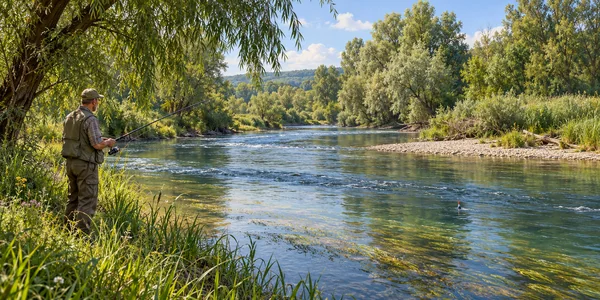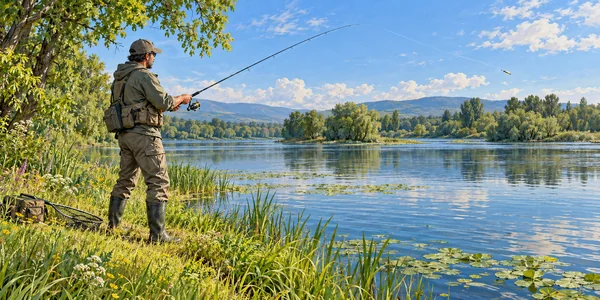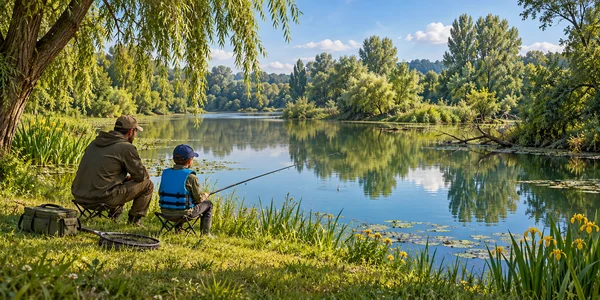
Your first fishing trip: from choosing water to the first cast
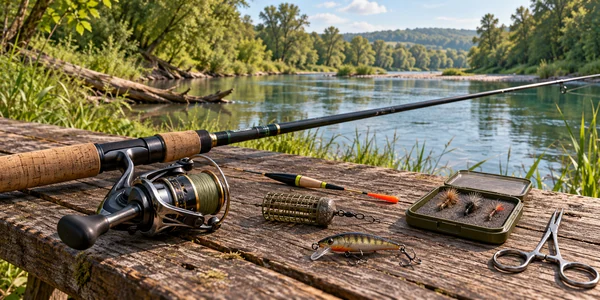
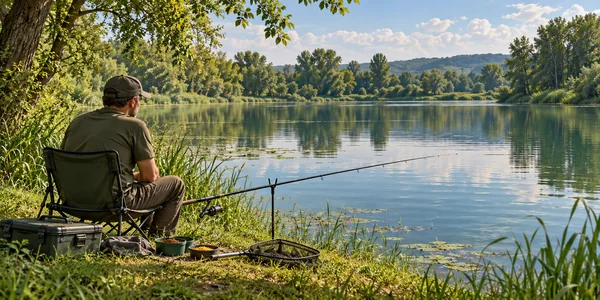
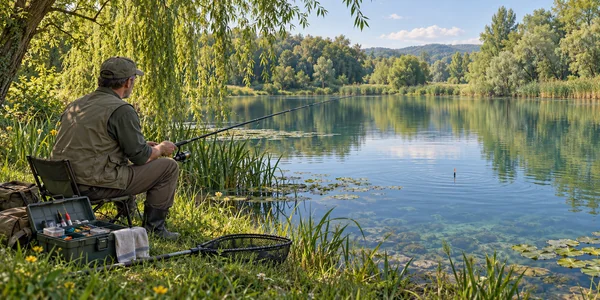
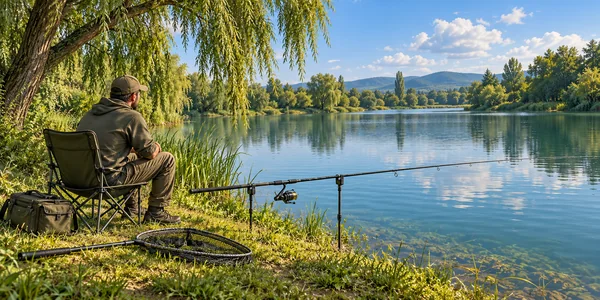
What to take, how to choose a simple starting method and what to prepare before catching a fish. An illustrated freshwater beginner’s guide.
From your first outing to understanding the water. Equipment, methods and handling explained with images and clear steps.
If you are starting out, begin with the first trip and choosing a method. If you already fish, pick a question you want to understand better. Each guide connects practical examples with sources and the rest of Ribarica.
What to take, how to choose a simple starting method and what to prepare before catching a fish. An illustrated freshwater beginner’s guide.
How four fishing methods work, how bites are indicated, and how to read float and running-feeder schematics.
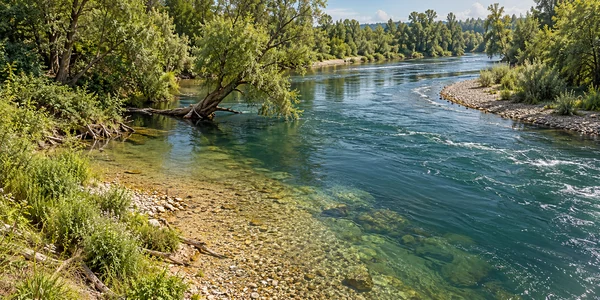
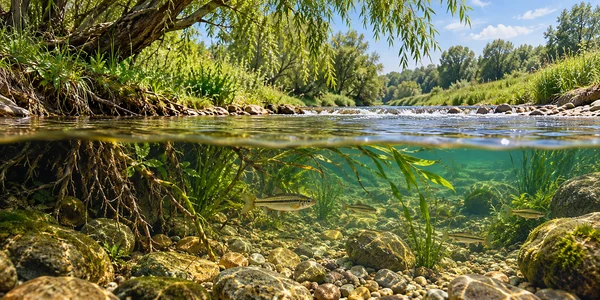
Observe flow and cover, understand why gauge height is not depth, and connect your observations with forecast data.
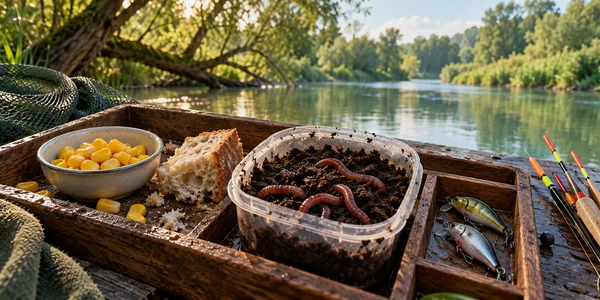
Hookbait, groundbait and lures serve different roles. Observe presentation and compare outings without universal promises.
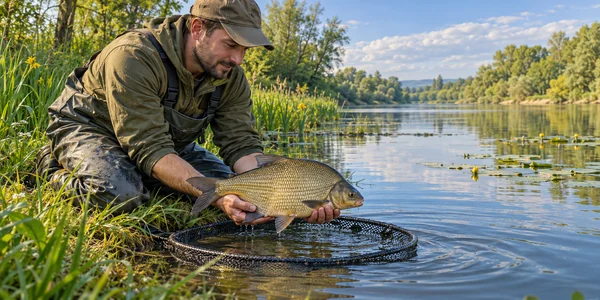
Prepare the net, use wet hands, unhook and photograph with care. Reduce handling time and know when to skip the picture.
Separate temperature from oxygen measurements, protect spawning habitat and reduce the transfer of organisms on equipment.
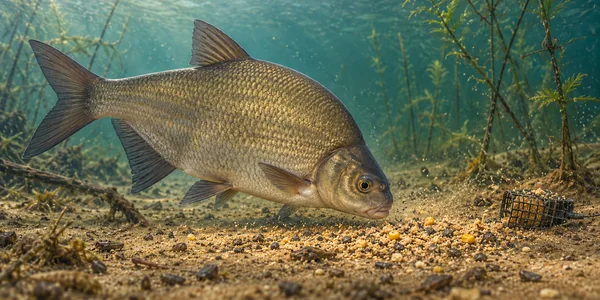
Start with tackle, then choose a rig, prepare feed and apply the method to bream. Five connected guides, each answering a different question.
Prepare for a first feeder session, choose a manageable swim and learn to read the sensitive rod tip.
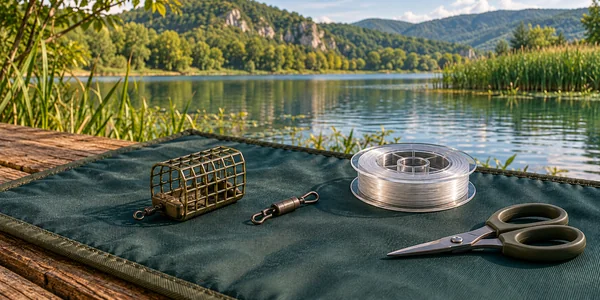
Assemble a running feeder with a stiff boom, then check knots, hooklength and free line movement.
Assemble an inline method feeder, prepare the feed and load the mould with the bait and hooklength neatly positioned.
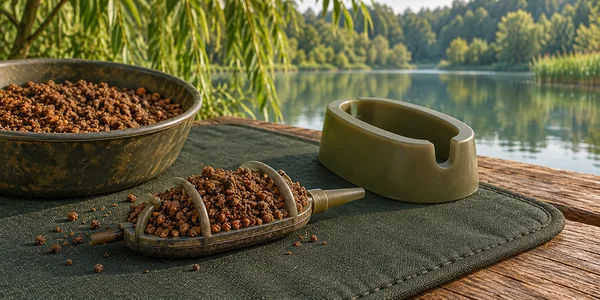
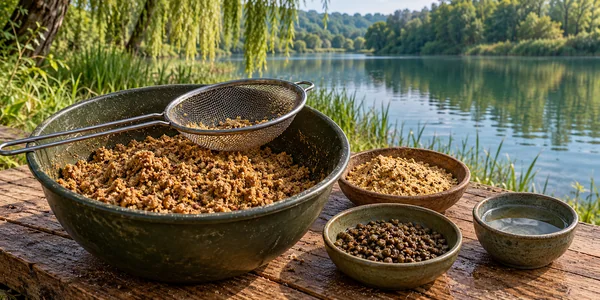
Learn when to wet and riddle groundbait, and check that it releases from the feeder.
Choose a swim, repeat the cast and read tip changes before adjusting bait and feeding.
Understand a fixed rig, the slider and depth measurement, then explore river control and the lift method for tench.
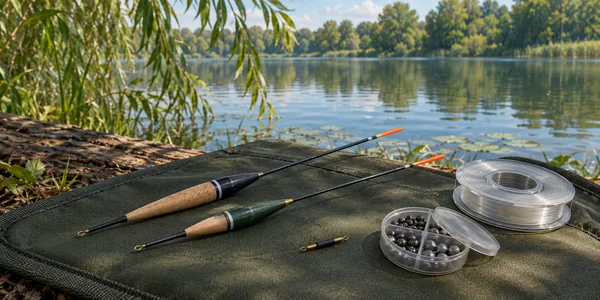
Set up a first waggler, place the shot and check loading before plumbing the depth.
When a fixed-float setting is awkward to cast, learn how to assemble a slider and set its stop knot.
Read a float with a plummet and set the hookbait above the bed, touching it or laid on the bottom.
Choose a river lane, control the line and compare a free run with briefly holding the float back.
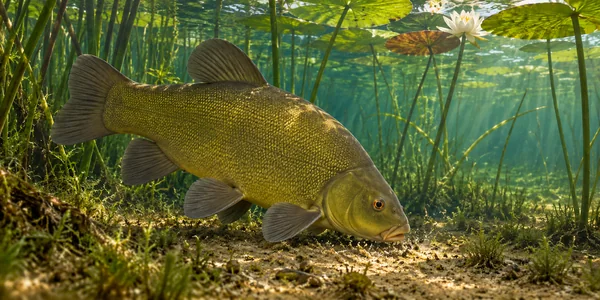
Set up a lift rig for tench and understand why the float can rise or lie flat during a bite.
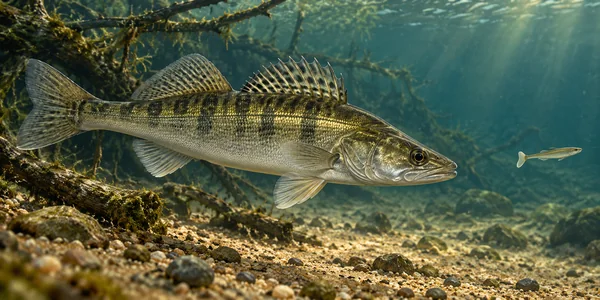
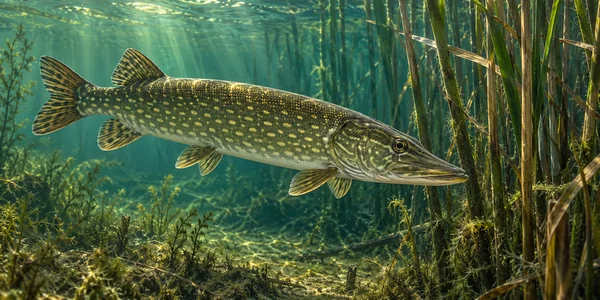
Match your first spinning setup, learn zander jigging, prepare for pike and explore perch drop shot before comparing lure types.
How to match a rod to your lure, make a controlled cast and understand what happens as you retrieve.
Mount the soft lure straight, choose a head you can control near the bed and watch for changes during the fall.
Prepare bite protection, a suitable net and tools before the first cast, then choose a lure for its route through the water.
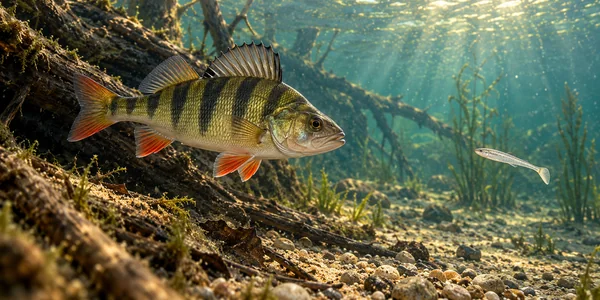
Tie a perch drop shot with the hook above the weight, a nose-hooked soft lure and small rod-tip movements.
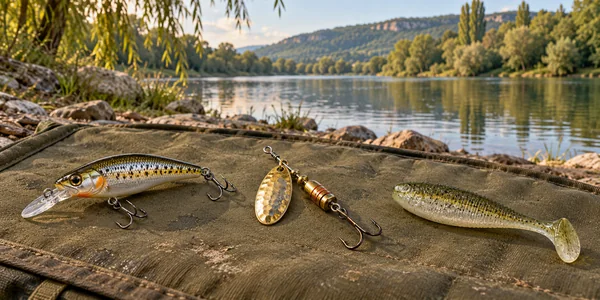
Compare plugs, inline spinners and soft plastics, then choose a lure for the route you want to fish.
Prepare a first bottom-fishing session, distinguish lead systems, tie a basic hair and explore the bed. Then choose hookbait and feed for common carp, or compare corn and surface bread for grass carp.
Prepare straightforward bottom-fishing tackle, choose one rig and check it before your first cast.
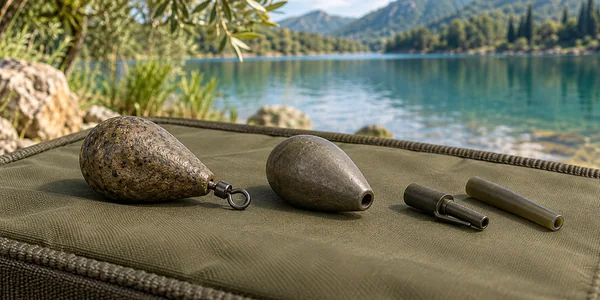
Understand the line path through running links, inline leads and lead clips, then check your system’s release.
Tie a simple hair for a sinking bait, set its position beside the hook and check the hooklink in water.
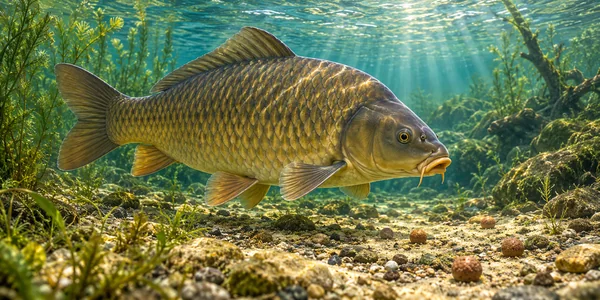
Use a lead to explore the bed and a marker float to estimate depth and record a swim for next time.
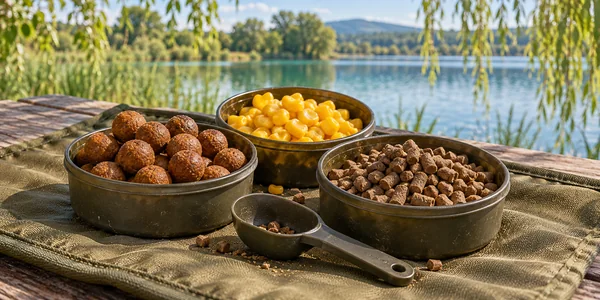
Choose a hair-rig hookbait, distinguish prepared corn from dry grain and prepare pellets for their intended use.
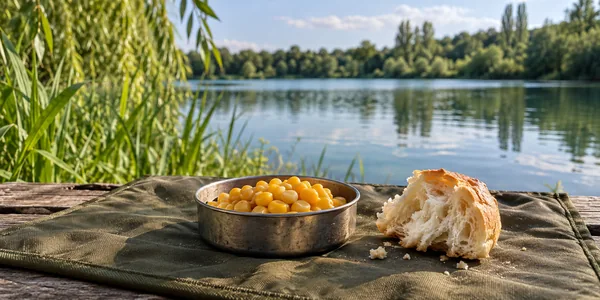
When should you try corn near the bed or bread on the surface? Prepare the bait, check it before casting and decide what to change when fish refuse it.
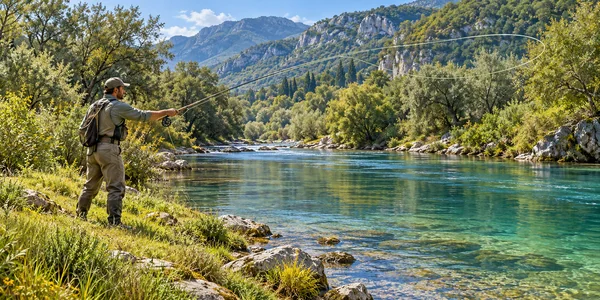
Match a first outfit, learn overhead and roll casts, read trout water and compare dry flies, nymphs and short-range Euro control.
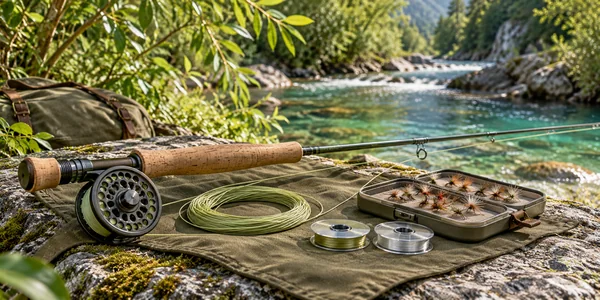
Match a basic fly-fishing outfit, understand the connections to the fly and prepare a first session from the bank.
Understand line travel, the pause between strokes and the water contact needed for a roll cast.
Relate current seams and cover to possible holding positions, then choose an approach and first presentation route.
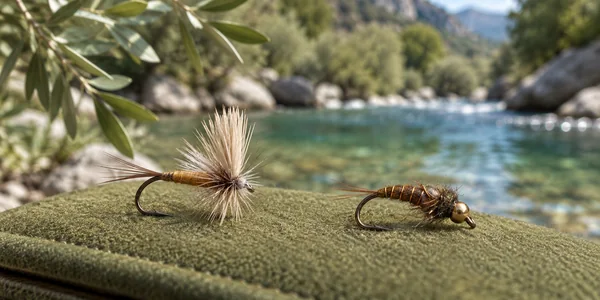
Observe surface feeding, distinguish presentations and understand why line placement can matter more than changing flies.
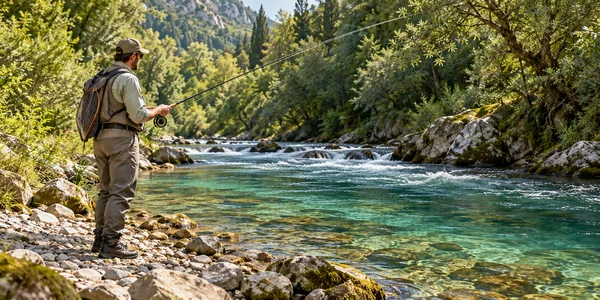
Understand a long leader, how weighted-nymph casting differs and how to control a short subsurface drift.