How do I choose a jig head for zander?
The gram marking alone does not tell you whether you can control the lure. Depth, flow, wind, soft-lure shape and line all change the situation. Your starting head should allow a recognisable descent to the bed and a retrieve you can follow. The rod rating must suit the complete rig.
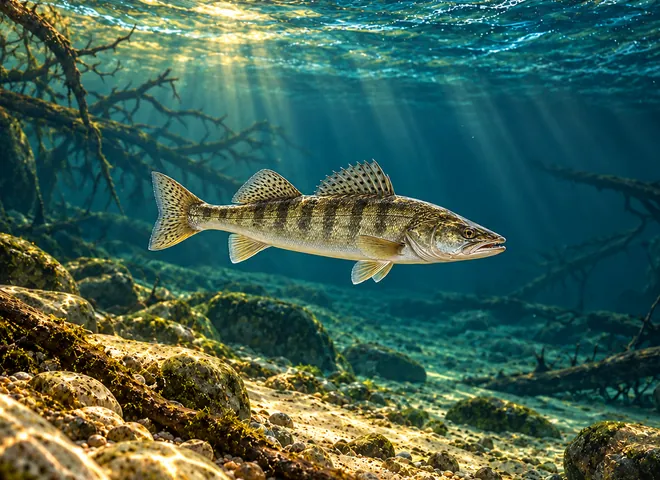
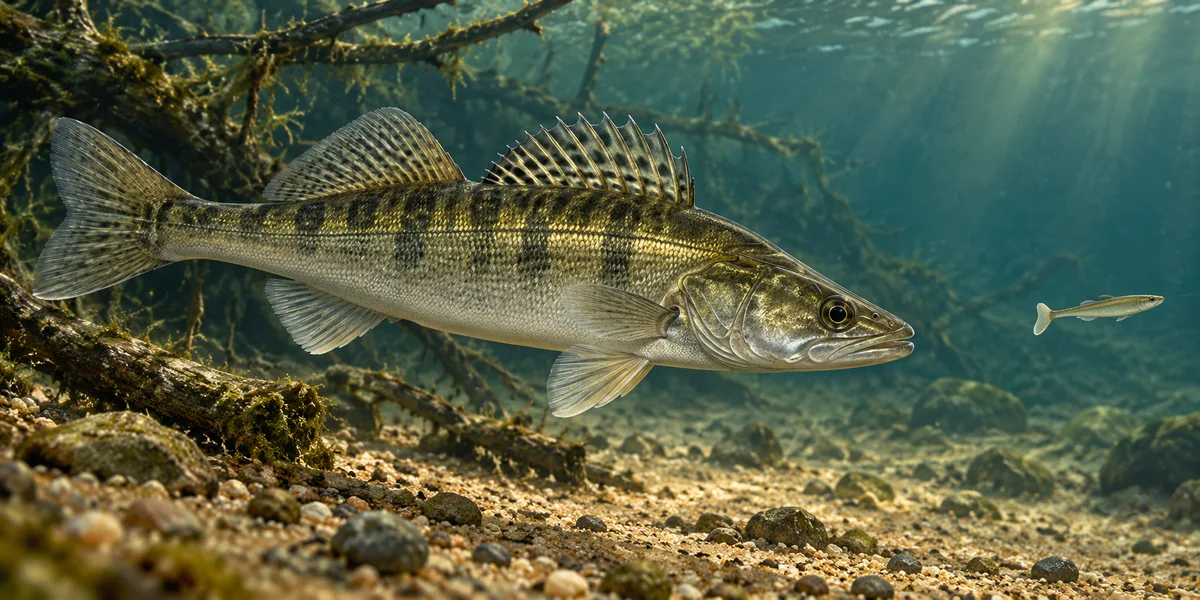
If you cannot tell when the jig touches bottom, shorten the cast and recover excess slack first. Then try another head weight. A lighter and a heavier head fall differently, so learn the new descent after changing. Use the zander profile for identification.
How do I mount a soft lure straight on a jig head?
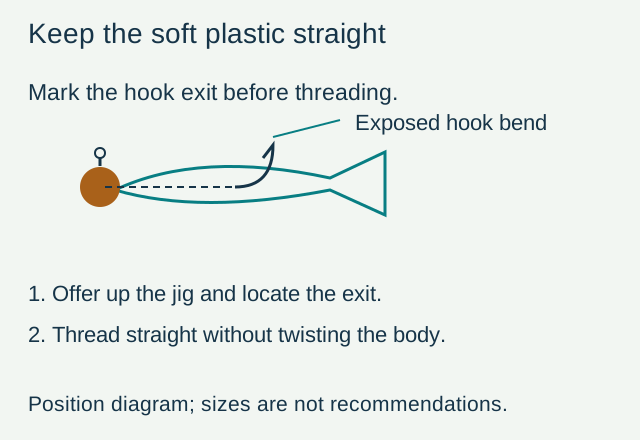
Hold the hook beside the lure and mark its intended exit. Thread the body without twisting, bring the point out at the mark and check that the hook bend stays exposed. Correct a bunched or curved body before casting. This example uses a conventional exposed-hook head, rather than a weedless arrangement.
How do I work a jig near the bottom?
- Follow the initial descent with the line under control.
- Identify bottom contact from a change in loading and line behaviour; practise closer in if necessary.
- Lift the lure with the rod, then lower the rod while recovering the resulting loose line.
- Follow the next fall and check for bottom contact before repeating.
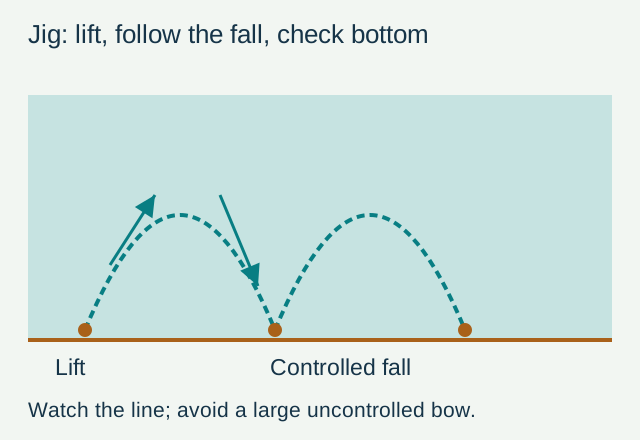
Avoid winding so much that you replace the intended fall with another retrieve, but do not leave a large uncontrolled bow either. The plate prescribes neither hop height nor pause duration. Where every pass snags, change the route or position rather than repeatedly pulling tackle from the same obstruction.
How do I recognise a take during the fall?
An unusual knock, line movement or interruption to the expected descent deserves attention. Not every knock or stop is a fish: repeat a comparable pass to learn the bed. On a clear take, recover excess line and set the hook in a controlled way appropriate to your tackle. Be ready to respond during the fall as well as during the lift.
One comparison for your next session
For the next session, note head weight, soft-lure size and where you could follow each fall. Compare another head on the same lure and route if you want to try a change. For slower work with the weight below the hook, see drop shot. Check the closed season and water-specific rules before fishing.