What is bottom fishing, and what tackle does a beginner need?
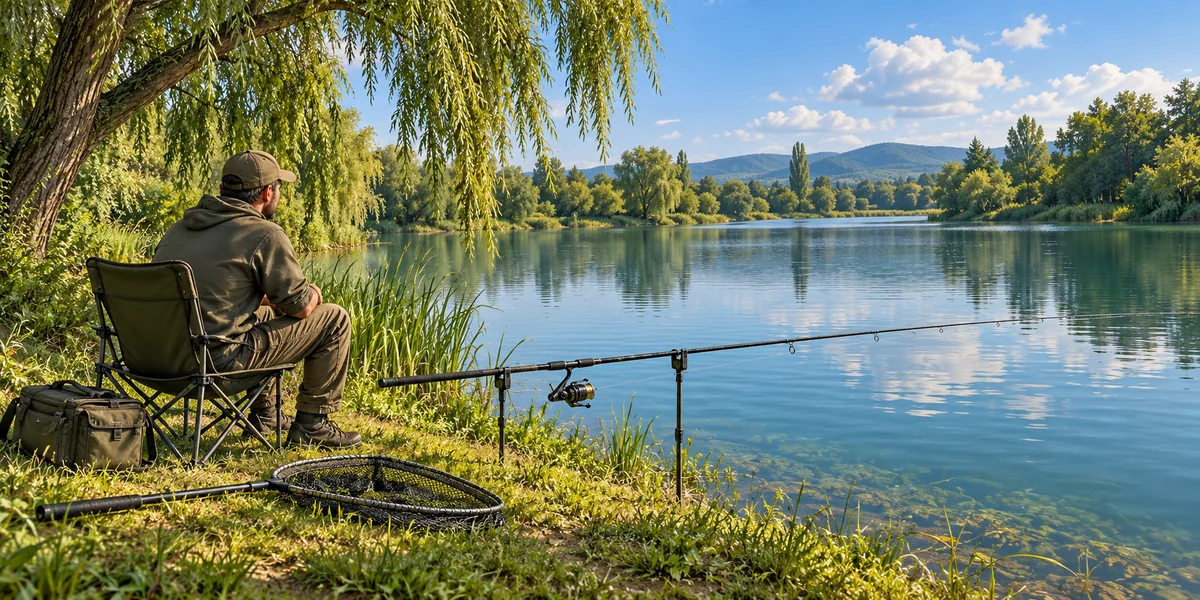
Bottom fishing presents a bait near the bed, using a weight to help maintain the chosen presentation. It does not necessarily mean deep water. Start on accessible, calmer water with one rod you can watch continuously. It is easier to learn how tackle behaves before monitoring several arrangements at once.
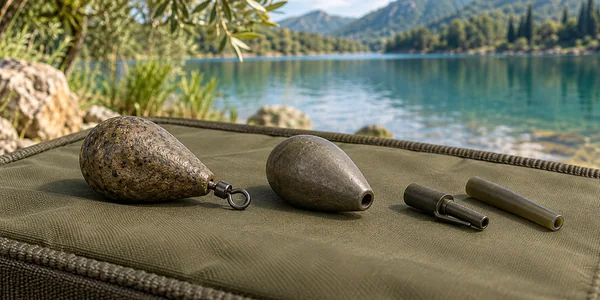
You need a matched rod and reel, line, one verified lead arrangement, a hooklink and hook, bait, rests, a landing net and unhooking tools. The rod rating and tackle instructions must suit the complete casting load. If the rig will not hold its place, check current, line position and the rod’s rating before adding lead.
One introductory running-rig example
Guru’s Bomb Rig is one straightforward example. A running link goes on the main line, the lead clips to its side and the hooklink attaches to the terminal Speed Bead connection. In this version, line runs through the link’s eye, not through the lead body.
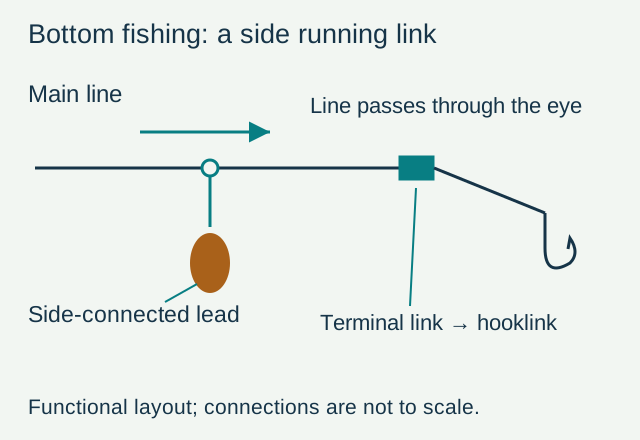
Follow the complete original sequence for the selected components: sliding connection, terminal connection tied to the main line, lead, then hooklink. Before casting, check line movement, snap closures and knots. After substituting a component, check the function again rather than assuming similar-looking parts behave identically. Our lead-system comparison explains the distinctions.
How should I prepare my first bottom-fishing session?
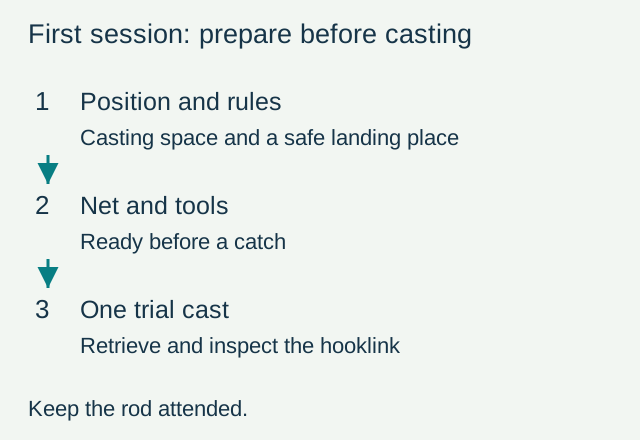
- Check your permit, the water’s rules and a safe casting and landing position.
- Open the net and prepare tools before casting. Place the rod on stable rests.
- Make a short controlled cast and let the tackle settle. Set the chosen bite indicator according to its instructions.
- After retrieving, inspect the hooklink, bait and line. Correct tangles or damage before repeating.
What should I watch while the bait is in the water?
Learn the normal behaviour of your indicator in wind and surface movement. A change in tension deserves attention, but every movement is not a catch. Keep the rod attended and set the drag appropriately for the tackle and safe operation. The beginner’s feeder guide separately explains a sensitive rod tip.
What counts as progress on the first session?
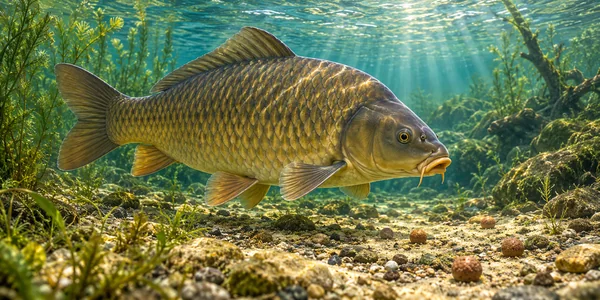
A useful first step is being able to repeat a cast, notice a change at the indicator and retrieve a tidy hooklink. Then move to the hair rig for carp. Prepare your landing equipment with the fish-handling guide.