Start with the species and a manageable swim
For a first feeder session after bream, work on repeatable casts before searching for a special bait. Choose a calmer swim where you can watch the tip clearly and prepare a safe landing position. If you are unsure of your catch, compare it with the bream profile.
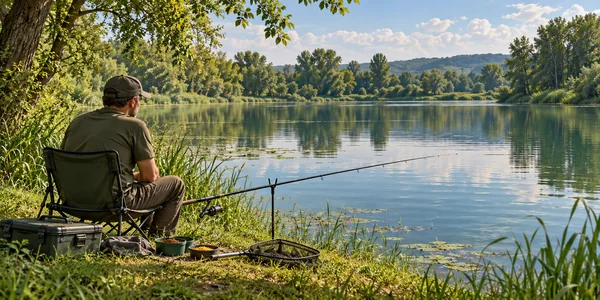
In the source article, Steve Hemingray fishes for smaller bream at short range on a stillwater. Start with its useful basics: modest feed and one consistent casting spot. On a river, first find a feeder and position that let you keep the tackle under control.
Check the bed, then repeat the cast
At an accessible swim, first establish whether you can keep the feeder in place and retrieve it without constant snagging. Note the bank’s slope, visible obstacles and material returning on the tackle. Several casts to different points are not equivalent to measuring depth. For interpreting terrain, see the reading-water guide.
Choose a marker and a repeatable distance. If every cast lands far from the previous one, bait comparisons become unclear too. Start with a free-running rig you understand and a controlled feed portion. A bigger feeder is not automatically appropriate simply because you hope for a larger fish.
Where do the feed and hookbait end up?
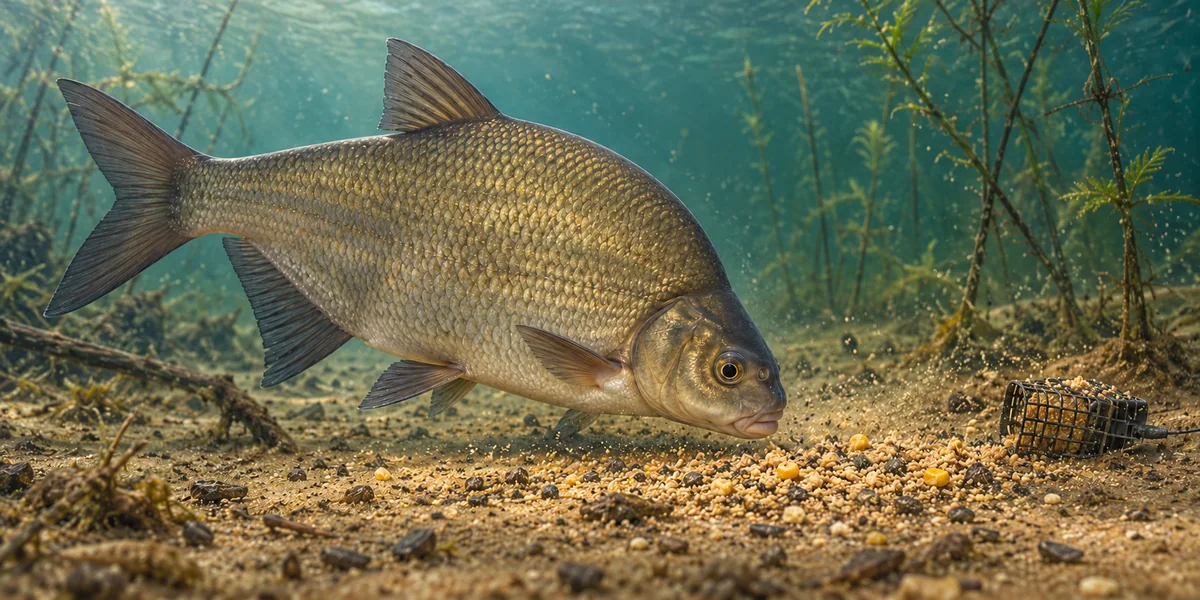
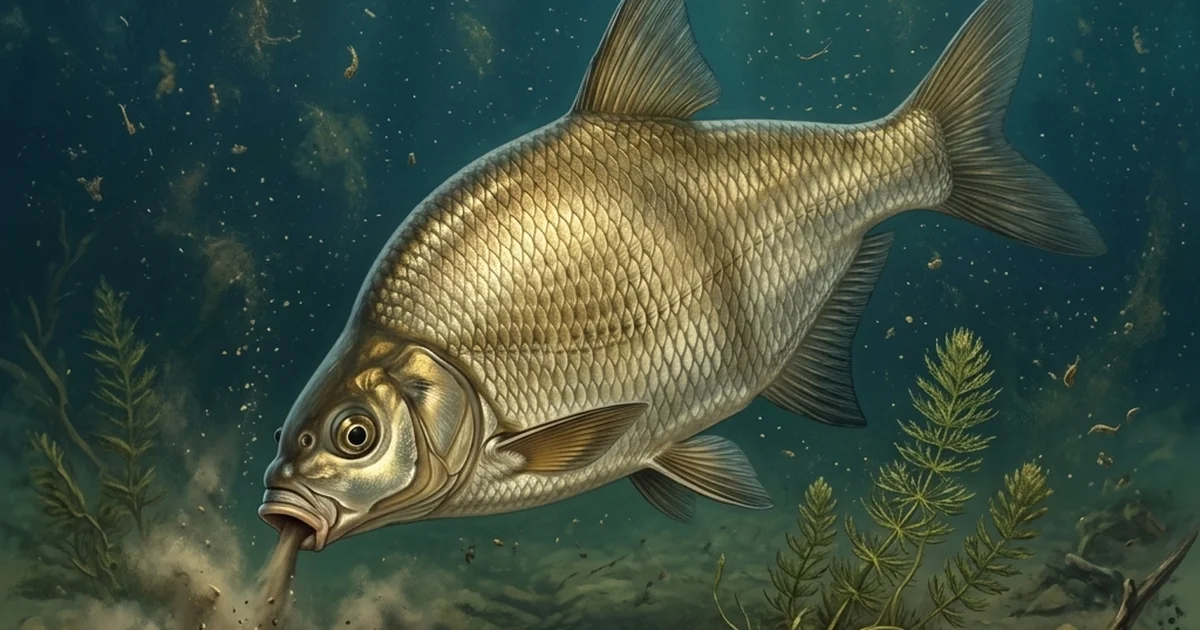
Bream can feed on the bed and filter small particles from the water. Our feeding article explains that in more detail. For this session, concentrate on a simpler question: are the hookbait and feed reaching the spot you intend to fish?
Record hookbait, feed input and release separately. Check how the loaded feeder behaves before deciding bream dislike an ingredient. A hard block retained inside and a portion releasing properly are not equivalent presentations.
Is every tip movement a bite?
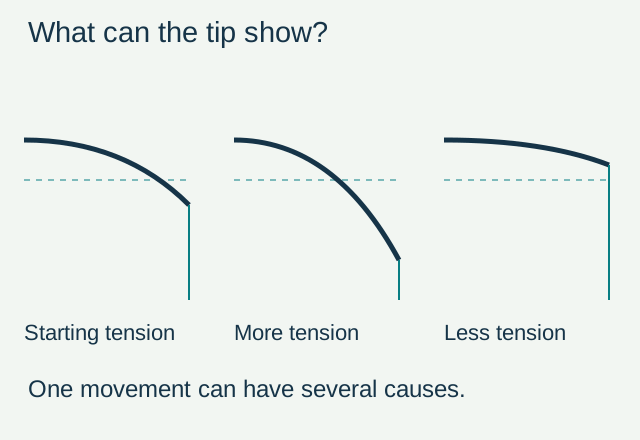
No. The tip shows changing line tension. Wind, feeder movement, line contact and weed can move it as well as a fish taking the hookbait. Establish the starting position and watch for a change relative to it. The tip may bend farther or straighten when tension decreases. The movement’s shape alone cannot establish the fish’s species or size.
Respond to a convincing change with a controlled lift, without a violent sweep. After a missed bite, inspect bait, hook and hooklength. An empty hook or a tangle gives new information; assuming every tremor was a fish does not. If movements follow each gust of wind, record that before changing the hookbait.
Adjust without feeding at random
When bites stop, retrieve and check the hookbait, hook and remaining feed first. If everything looks tidy, make a few casts to the same spot before changing again. Keep the feed the same when trying another hookbait, or retain the hookbait while adjusting the mix. The result will be easier to judge.
Have a net and wet mat ready before the first catch. The handling guide helps you prepare for unhooking and release without hunting for tools at the last moment. Stop fishing if fish show distress or water-specific restrictions apply.